Task 1: Introduction
Active reconnaissance is the process of directly interacting with a target system or network to gather information about it. Passive reconnaissance collects data from public sources without sending any traffic to the target. Active reconnaissance, by contrast, requires transmitting packets, making connections, and probing services. The distinction matters because active techniques leave traces in the form of log entries, IDS alerts, WAF blocks, and honeypot triggers.
The previous room on passive reconnaissance covered gathering intelligence from DNS records, WHOIS data, certificate logs, and services like Shodan without the target ever knowing. This room shifts to direct engagement. You will use web browsers, ping, traceroute, telnet, and netcat to interact with targets and extract information that passive methods cannot reveal.
Passive reconnaissance involves checking public data such as DNS records, WHOIS results, certificate logs, and Shodan queries without sending packets to the target.
Active reconnaissance involves making direct contact by visiting websites, pinging hosts, tracing routes, and connecting to ports. This can reveal live services, open ports, banners, and network paths, but it leaves footprints.
Prerequisites: This room assumes familiarity with core networking concepts such as TCP, UDP, ICMP, and port numbers. If these terms are unfamiliar, complete the Networking module before proceeding.
Active reconnaissance is riskier and more detectable than it has ever been. Most organisations deploy CDNs such as Cloudflare and Akamai alongside WAFs and zero-trust models that log or outright block unusual probes. IPv6 adoption means many hosts respond to ping6 but filter ICMPv4. HTTPS dominates web traffic, making plaintext protocols largely obsolete for web interactions. On the defensive side, SIEMs, EDR solutions, and cloud-native monitoring detect reconnaissance patterns quickly and reliably.
Despite the dominance of encrypted protocols, tools like telnet remain worth understanding. They illustrate the fundamentals of banner grabbing and cleartext protocol interaction, which helps you appreciate why modern alternatives such as netcat and curl are preferred. You will also encounter telnet-based weaknesses in legacy environments, so knowing how it works has practical value.
Critical rule: Never perform active reconnaissance without explicit, signed legal authorisation such as a penetration testing contract or bug bounty scope. Unauthorised probing is illegal in most jurisdictions.
From a red team perspective, the goal is to blend in. A web browser visiting a website looks identical to normal traffic among thousands of legitimate users, and crafted requests with realistic User-Agent strings and slow timing can sometimes evade basic detection. From a blue team perspective, active probes surface in access logs, firewall logs, WAF events, and IDS alerts. Monitoring your own exposure helps catch reconnaissance early.
Learning Objectives
By the end of this room, you will be able to:
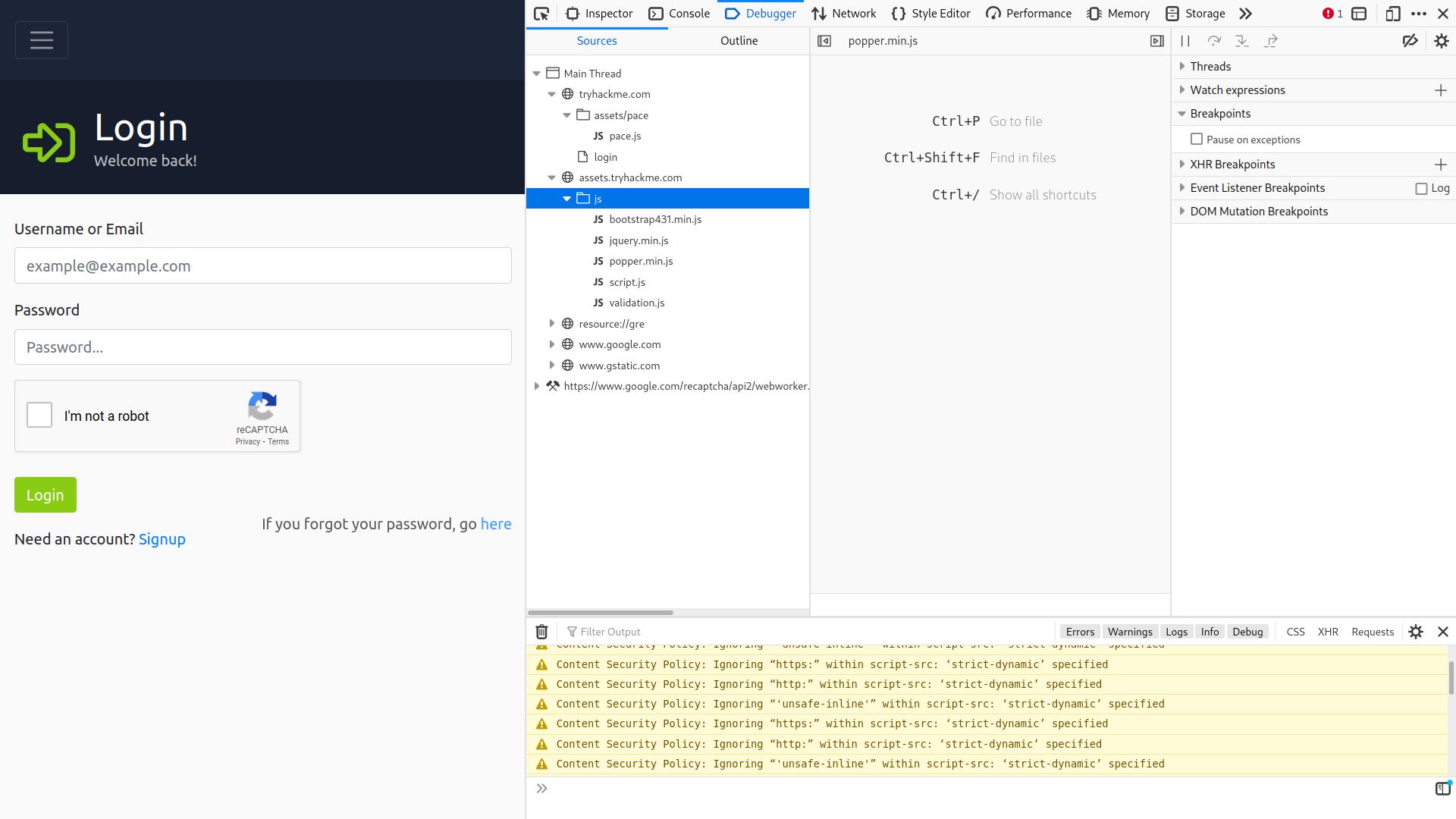
- Use a web browser and its Developer Tools to inspect headers, JavaScript source files, and certificates for reconnaissance purposes
- Use
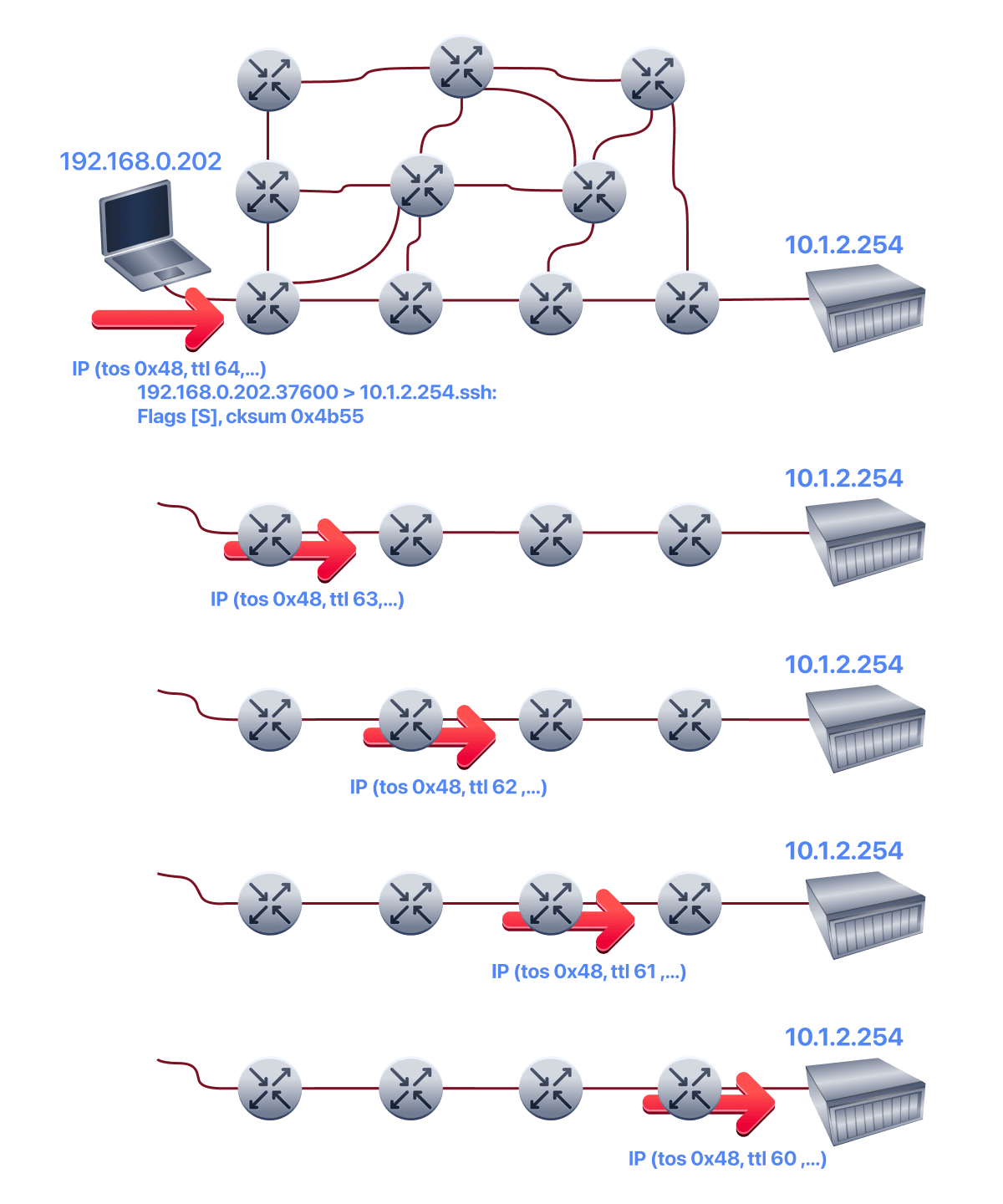
pingto test host reachability and infer operating system details from TTL values - Use
tracerouteandmtrto map network paths and discover intermediate hops - Use
telnetfor legacy banner grabbing and understand why modern alternatives are preferred - Use
netcat(nc) to perform banner grabbing, basic port probing, and simple client-server communication
These tools are straightforward and often pre-installed on Linux distributions such as the AttackBox, Kali, and Parrot. This room is suitable for beginners looking to understand active reconnaissance fundamentals before progressing to the Nmap rooms.
Important notice: If you are not a subscriber, the in-browser AttackBox has no direct Internet access. For tasks requiring web lookups or external targets, connect via OpenVPN to the TryHackMe network. This enables full Internet connectivity from your local machine or AttackBox.
Answer the questions below
- Ensure that you understand why these tools fall under active reconnaissance. Launch your AttackBox and ensure that it is ready. You will need it to answer the questions, especially in later tasks.