
Back to all walkthroughs


ASI03: Agent Identity & Privilege Abuse
How AI agents end up acting under credentials they should not hold. Covers OWASP ASI03.
medium
To access material, start machines and answer questions login.
You are TryTrainMe's security engineer. You did not build the company's agents, and you are accountable for all of them.
Last Tuesday, a delivery manager asked the service desk to confirm what access a departing contractor still held. It is an ordinary request, the sort the estate handles dozens of times a week. The answer came back the same morning and was attached to the ticket. Nobody complained, nothing broke, and no alert fired.
Nine days later, during a routine review of the entitlements store, you notice that the ticket comment contains the access held by two hundred and fourteen accounts. Only one account was asked about. Nobody granted anybody anything, no agent was compromised, and every tool involved did exactly what it was built to do.
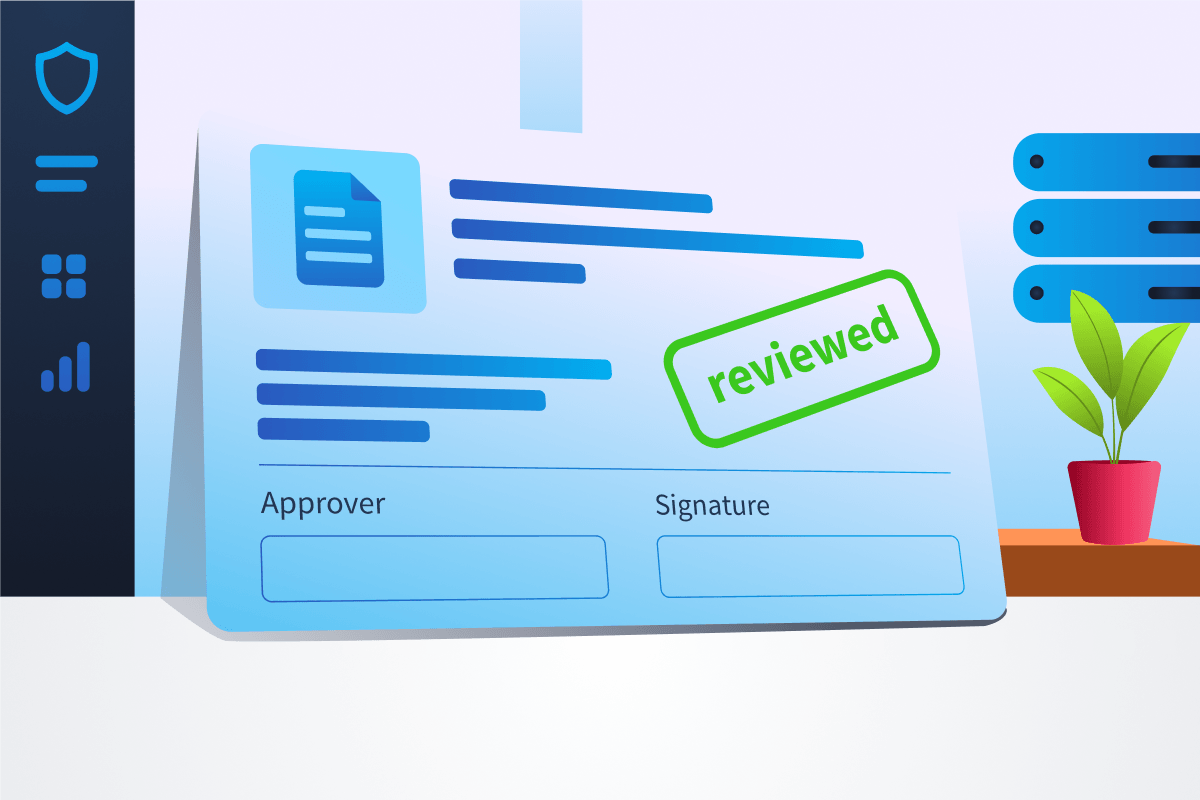
Every tool involved did exactly what it was built to do, and that is the subject of this room. The agents in this estate are not people, but they authenticate like people do: they hold credentials, they present them to other systems, and the systems on the other end decide what to allow based on the credential rather than on who is holding it. When the credential an agent presents is broader than the agent itself, everything downstream behaves correctly and the outcome is still wrong.
Three neighbouring subjects belong to other rooms in the Agent Components & Authority module, so this room leaves them alone. Whether an agent should hold a particular set of tools at all is tool scoping. Whether a message from one agent to another is authentic is message authentication. Building the estate-wide defence out of all of it comes later. This room is about one thing: an agent acting under a credential it should not hold at all.
Learning Objectives
- Read an agent session log and tell the difference between which agent acted and what credential the action actually ran under
- Explain what a non-human identity is, and why agentic estates accumulate them faster than anyone tracks them
- Recognise configuration, inheritance, and caching as the three routes by which an agent ends up holding privilege it was never meant to have, and unchecked trust between agents as the reason nobody catches them
- Apply least privilege and just-in-time credential provisioning to an agent estate, and name the controls that close this class of attack
- Place this failure against ASI03 and the OWASP Non-Human Identities Top 10
Prerequisites
- The ASI02: Tool Misuse & Exploitation room is a natural predecessor and is recommended, but this room does not depend on it
- Familiarity with service accounts, keys and, OAuth tokens will help, though each is explained as it appears
Ready to learn Cyber Security?
The ASI03: Agent Identity & Privilege Abuse room is only available for Premium or Max subscribers. Signup now to access more than 500 free rooms and learn cyber security through a fun, interactive learning environment.
Already have an account? Log in